
solder paste inspection sPI in Pc board assembly
In the intricate process of PC board assembly, where precision and reliability are paramount, solder paste plays a crucial role in forming reliable connections between components and the PCB. Solder paste inspection (SPI) emerges as a critical quality assurance step in this process, ensuring the integrity of solder joints and the overall functionality of electronic devices. In this article, we explore the significance of SPI in PC board assembly and its role in maintaining high standards of quality and reliability.
At its core, solder paste serves as the adhesive that holds electronic components in place on the PCB and facilitates the electrical connection between them. It is applied to the PCB through a stencil, which deposits precise amounts of solder paste onto designated areas, guided by the PCB design. However, variations in solder paste deposition, such as insufficient or excess paste, uneven distribution, or misalignment, can compromise the integrity of solder joints and lead to defects in the assembly.
This is where solder paste inspection (SPI) comes into play. SPI is a non-destructive inspection technique that evaluates the quality of solder paste deposition on the pc board assembly before component placement and soldering. By analyzing the volume, height, shape, and alignment of solder paste deposits, SPI systems can identify discrepancies and deviations from the desired specifications with high accuracy and efficiency.
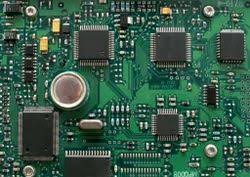
What is the role of solder paste inspection sPI in Pc board assembly?
The primary goal of SPI is to detect and prevent defects in solder paste deposition that could adversely affect the quality and reliability of the final product. Common defects detected by SPI include insufficient solder paste, which can result in incomplete or weak solder joints, and excessive solder paste, which can lead to solder bridging or short circuits between adjacent components. Additionally, SPI can identify issues such as misaligned or skewed solder paste deposits, which may affect component placement and solder joint formation during subsequent assembly processes.
By detecting and addressing these defects early in the assembly process, SPI helps minimize the risk of downstream failures and rework, saving time, resources, and costs for manufacturers. It enables proactive quality control and process optimization, allowing manufacturers to identify and rectify issues promptly, before they escalate into larger problems that could impact product performance or reliability.
SPI systems utilize advanced imaging and measurement techniques to inspect solder paste deposits with high precision and accuracy. They employ technologies such as machine vision, laser scanning, and 3D measurement to capture detailed images of solder paste deposits and analyze key parameters, such as volume, area, and height. Sophisticated algorithms then process this data to identify anomalies and deviations from the desired specifications, generating actionable insights for process improvement and optimization.
Furthermore, SPI systems are integrated seamlessly into the PC board assembly line, providing real-time feedback and control to ensure consistent quality and performance. They work in conjunction with other inspection technologies, such as automated optical inspection (AOI) and X-ray inspection, to comprehensively evaluate the entire assembly process and detect defects at every stage. This holistic approach to quality assurance helps manufacturers maintain high standards of product quality and reliability, meeting the demands of today’s competitive electronics market.
In conclusion, solder paste inspection (SPI) plays a vital role in PC board assembly by ensuring the integrity of solder joints and the overall quality of electronic devices. By detecting and preventing defects in solder paste deposition early in the assembly process, SPI helps minimize the risk of downstream failures and rework, contributing to improved efficiency, reliability, and cost-effectiveness for manufacturers. As technology continues to evolve, SPI remains an essential tool for maintaining high standards of quality and performance in PC board assembly, driving innovation and excellence in the electronics industry.