
Stencil in PCB SMT Assembly
PCB stencils play an essential role in ensuring high-quality solder paste deposition during surface mount technology (SMT) assembly. Precisely engineered, laser-cut stencils from durable materials like stainless steel provide controlled release of paste deposits onto printed circuit boards through apertures that match the PCB layout. Careful stencil design and manufacturing practices ensure that these critical components function dependably over thousands of production cycles while avoiding costly errors and defects.
The first step in the PCB assembly process involves creating the PCB layout using computer-aided CAD software. This involves identifying the position and size of component pads on the board, as well as tracing the connections between them. The resulting PCB design serves as the blueprint for the stencil.
A stencil frame is then assembled from stainless steel or a polymer such as polyester. Stencils can be movable or fixed, and a choice of frame material will have an impact on how easily the stencil is cleaned and how long it lasts. The frame will also help to align the stencil’s apertures with the corresponding pads on the board.
Solder paste is then applied to the stencil through a stencil printer or squeegee. The pressure exerted by the squeegee forces the paste through the apertures, depositing it accurately on the PCB pads. The stencil then undergoes routine cleaning to remove any residues that have accumulated from previous use. This prevents blockages that can hinder solder paste flow.
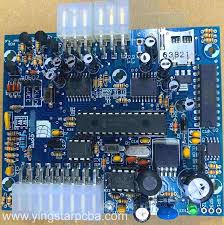
The Importance of Stencil in PCB SMT Assembly
A stencil’s thickness can also have a significant impact on its performance. It needs to be thin enough for precise paste application but thick enough to withstand the rigours of the production process. This is a balancing act, and it’s important that the chosen thickness is tailored to the specific requirements of the application and the characteristics of the PCB paste being used.
Once the stencil has been inspected and cleaned, it can then be used to assemble the circuit board. A squeegee is placed against the stencil, applying even pressure over the entire surface of the PCB. The solder paste is then deposited through the apertures and onto each of the components on the circuit board. The resulting solder joints will be of a good quality and will stand up to rigorous testing.
The importance of stencils in pcb smt assembly cannot be overstated. Precision-engineered and manufactured stencils from leading PCB manufacturers such as Twisted Traces are a must for achieving consistent, reliable solder paste deposits that result in high-quality electronic assemblies. With the demands of modern manufacturing imposing ever-increasing standards on processing plants, it’s vital to have a partner that can deliver consistent performance and quality every time. This includes having the capability to inspect and replace stencils to maintain optimal performance and reliable paste deposition.
The primary function of a stencil in PCB SMT assembly is to accurately deposit solder paste onto the PCB. The stencil acts as a mask with openings that correspond to the pads on the PCB where the components will be placed. High precision in this process is vital for several reasons: