
proper heat dissipation in Pcb assembly companies
Ensuring proper heat dissipation in PCB assembly is essential for maintaining the reliability and longevity of electronic devices. Heat dissipation is crucial because excessive heat can lead to component failure, reduced performance, and ultimately, the breakdown of the entire system. PCB assembly companies employ various strategies and techniques to manage and dissipate heat effectively. Here are some key methods used to ensure proper heat dissipation in PCB assembly.
One of the primary methods for managing heat dissipation is the use of thermal vias. Thermal vias are small holes filled or plated with conductive material, typically copper, that transfer heat from the surface of the PCB to the internal layers or to an external heat sink. By providing a path for heat to travel away from heat-generating components, thermal vias help maintain lower temperatures and prevent hotspots. Properly designing the placement and density of thermal vias is crucial for optimizing their effectiveness.
Another important aspect of heat dissipation is the design and layout of the pcb assembly companies itself. Strategically placing components that generate significant amounts of heat can help distribute thermal loads more evenly across the board. For instance, high-power components should be placed away from heat-sensitive areas and distributed to avoid creating concentrated heat zones. Additionally, increasing the copper thickness in PCB layers can improve heat conduction, allowing heat to spread more effectively across the board.
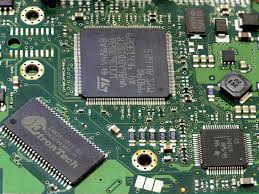
How do you ensure proper heat dissipation in Pcb assembly companies?
Heat sinks and heat spreaders are also commonly used to enhance heat dissipation. Heat sinks are typically made of metal and attached to heat-generating components to draw heat away from the component and dissipate it into the surrounding air. Heat spreaders, on the other hand, are flat, thermally conductive materials placed between the PCB and the heat sink to further distribute heat. These components are particularly useful in high-power applications where passive heat dissipation through the PCB alone is insufficient.
Thermal interface materials (TIMs) play a significant role in improving heat dissipation. TIMs are used to fill the microscopic gaps between heat-generating components and heat sinks or spreaders. These materials, such as thermal grease, pads, or adhesives, improve the thermal connection between surfaces, reducing thermal resistance and enhancing heat transfer. Selecting the appropriate TIM based on the specific application and thermal requirements is crucial for maximizing heat dissipation.
Proper ventilation is another key factor in ensuring effective heat dissipation. PCBs are often enclosed within electronic devices, where poor airflow can lead to heat buildup. Designing enclosures with adequate ventilation openings and incorporating fans or blowers can help maintain a steady flow of air, removing heat from the PCB and preventing overheating. Additionally, arranging PCBs within the enclosure to allow for optimal airflow paths can further enhance cooling efficiency.
The use of advanced materials and coatings can also contribute to better heat dissipation. Some PCBs are manufactured with high thermal conductivity materials, such as aluminum or ceramic substrates, which provide superior heat conduction compared to traditional fiberglass-based boards. Additionally, applying conformal coatings that have good thermal properties can protect components from environmental factors while still allowing for efficient heat transfer.
Thermal simulation and analysis tools are invaluable for PCB designers in predicting and optimizing heat dissipation. These software tools can model the thermal behavior of the PCB and its components under various operating conditions, allowing designers to identify potential hotspots and evaluate the effectiveness of different cooling strategies. By simulating thermal performance early in the design process, PCB assembly companies can make informed decisions to improve heat dissipation and avoid costly redesigns.
In conclusion, ensuring proper heat dissipation in PCB assembly involves a combination of design strategies, material selection, and cooling techniques. By using thermal vias, optimizing PCB layout, incorporating heat sinks and spreaders, selecting appropriate thermal interface materials, ensuring proper ventilation, utilizing advanced materials, and leveraging thermal simulation tools, PCB assembly companies can effectively manage heat and enhance the performance and reliability of their electronic products. This comprehensive approach to thermal management is essential for meeting the demands of modern electronics and maintaining a competitive edge in the industry.